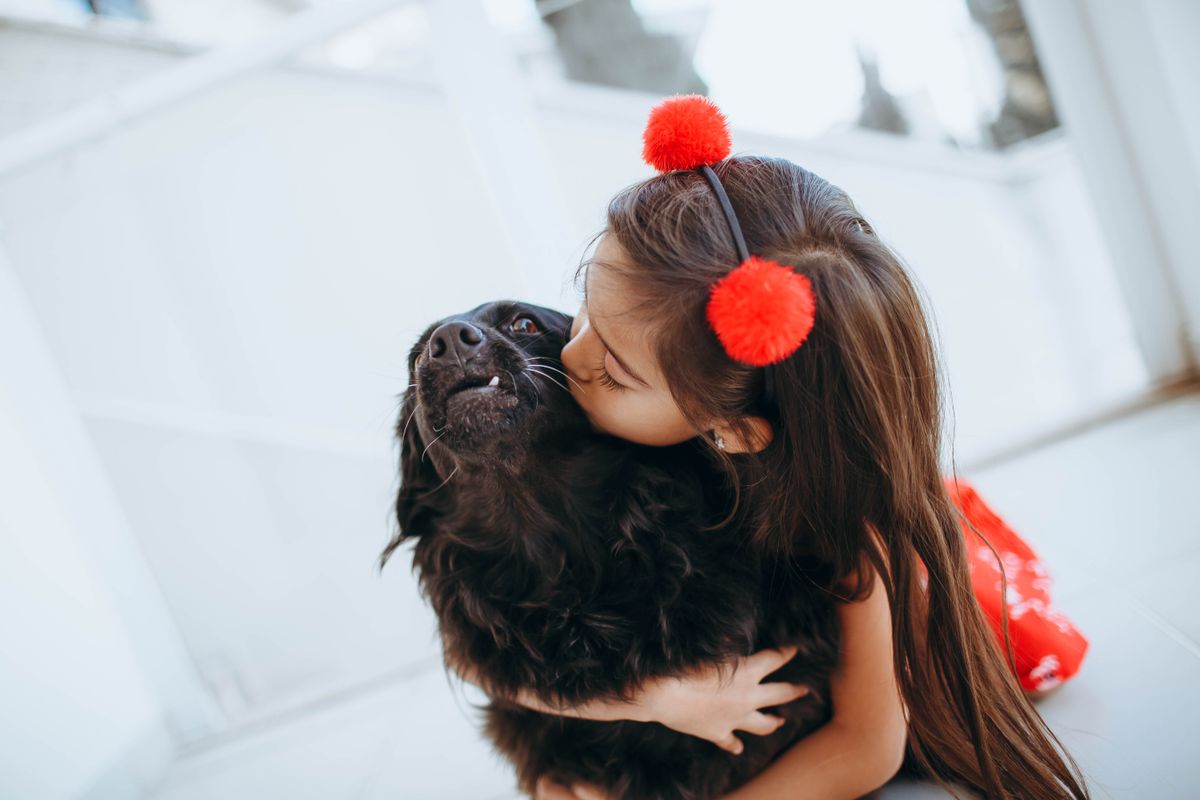

The dog met every grandchild the day they were born. The cat slept on Grandpa's lap through a decade of Sunday dinners. When a pet like this dies, the grief doesn't stay contained to one household — it ripples out to grandparents who loved that animal in their own right, and who often find themselves in the strange position of grieving deeply while also being expected to comfort everyone else. This article will help grandparents support grandchildren and adult children through pet loss, while also recognizing and tending to their own real grief.
Grandparents' Grief Is Often Overlooked
Families tend to organize emotional attention around whoever is assumed to be grieving most — usually the primary owner or the youngest children. Grandparents frequently get cast in a purely supportive role by default, expected to be steady and comforting for everyone else, even when they themselves had a decades-spanning relationship with the animal, or simply loved that pet as a fixture of family gatherings for years. If you're a grandparent in this position, your grief is not secondary just because it isn't the center of attention. It's worth naming to your family, and worth tending to directly rather than setting aside indefinitely.
How Grandparents Can Help Grandchildren
Grandparents often occupy a unique position: close enough to the family to matter deeply, but one step removed from the day-to-day intensity of a parent's own grief. This can make grandparents uniquely useful during a pet loss.
- Offer a calmer presence when a parent is overwhelmed. A grandparent who isn't as acutely raw in the moment can sometimes answer a child's questions or simply sit with them when a parent needs a break to grieve privately.
- Share stories that give the loss more dimension. Grandparents often hold memories from before a grandchild was born or old enough to remember — how the pet came to the family, funny history, earlier years. These stories deepen a child's sense of the pet's whole life, not just its ending.
- Model that grief doesn't need to be hidden. A grandparent who's comfortable saying "I miss her too, and it's okay that we're both sad" gives children permission to feel the same without performing strength they don't have.
- Provide continuity across the loss. For young grandchildren especially, a steady, familiar grandparent presence during a chaotic, sad time offers real stability.
When Grandparents Need Support Too
Naming your own grief without minimizing it
It's common for grandparents to downplay their own sadness with thinking like "it's not really my loss" or "I should focus on the grandkids." But if you spent years with that animal — feeding them treats, walking them, having them curl up beside you during visits — your grief is entirely legitimate on its own terms, independent of anyone else's need for comfort.
Asking for what you need from your adult children
It can feel awkward to ask your own children for emotional support when you're used to being the one who provides it. But saying plainly, "I loved that dog too, and I'm having a harder time with this than I expected" opens the door for your family to support you back, rather than assuming you don't need it.
“A family pet doesn't belong to just one generation, and neither does the grief that follows its death — everyone who loved them gets to mourn, including the ones who usually do the comforting.”
When Long-Distance Grandparents Feel Left Out
Grandparents who live far away often find out about a pet's death after the fact, or feel disconnected from a grief process happening in another household entirely. If this is your situation, ask your adult children to include you — a phone call to hear how the last days went, a photo shared, an invitation to a small memorial ritual over video call. Being geographically distant doesn't mean your connection to the loss is any less real, and most families are glad to include a grandparent who asks.
- Ask to be part of a remembrance, even remotely. A video call during a small ritual, or a shared photo album, keeps distant grandparents connected to the family's grief process.
- Share your own memories unprompted. Sending a favorite photo or story to grandchildren directly gives them access to a fuller picture of the pet's life.
- Check in more than once. A single call right after the loss is kind, but a follow-up weeks later often means more, since that's often when the household's outside support has quieted down.
Something that may help
Tool: The Tribute Wall
A shared online space where every generation of a family can add photos, memories, and messages about a pet — a simple way to include grandparents near or far in the family's collective remembrance.
→ Visit the Tribute WallFree to use, no signup required.