"It was just a dog." "Are you going to get another one?" "At least it wasn't a person." If you've lost a pet, you've probably heard a version of these — and felt the strange sting of having your grief quietly dismissed by people who meant no harm. There's a name for this experience. It's called disenfranchised grief, and understanding it can help you stop questioning whether you're allowed to hurt this much.
What Disenfranchised Grief Means
The term was coined by grief researcher Dr. Kenneth Doka to describe loss that "is not or cannot be openly acknowledged, publicly mourned, or socially supported." Society has clear rituals for human death — funerals, bereavement leave, casseroles on the doorstep. For pet loss, there's often nothing. No time off work. No card in the mail. Just an expectation that you'll be back to normal by Monday.
That silence sends a message: your grief doesn't count. But the absence of a ritual is not the absence of a reason to grieve.
Why pet grief can cut so deep
Our animals are woven into the fabric of daily life in ways even close human relationships sometimes aren't. They're there every morning, every evening, through every hard season. The bond is uncomplicated by the friction that often marks human relationships. Losing that isn't trivial — it's the loss of a steady, daily, unconditional presence. Research consistently finds that the intensity of pet grief can rival grief for human family members.
“The absence of a ritual is not the absence of a reason to grieve.”
Something that may help
The Grief Email Series
You deserve a space where your grief is taken seriously. Our free grief email series meets you without judgment, treating your loss with the weight it actually carries.
→ Join the grief email seriesFree to use, no signup required.
When You're the One Dismissing It
Disenfranchised grief doesn't only come from other people — sometimes we do it to ourselves. You might catch yourself thinking "I should be over this by now" or feeling embarrassed to cry at your desk over an animal. That inner voice is usually just an echo of society's messaging, repeated so often it starts to sound like your own judgment. Noticing when you're the one minimizing your loss is the first step toward giving yourself the same compassion you'd offer a friend.
How to Cope When Others Don't Get It
You can't always change how others respond, but you can protect your own grief from their dismissiveness.
- Find your people: seek out those who understand — pet loss support groups, online communities, a friend who's been through it. Being around people who don't need you to justify your sadness is profoundly relieving.
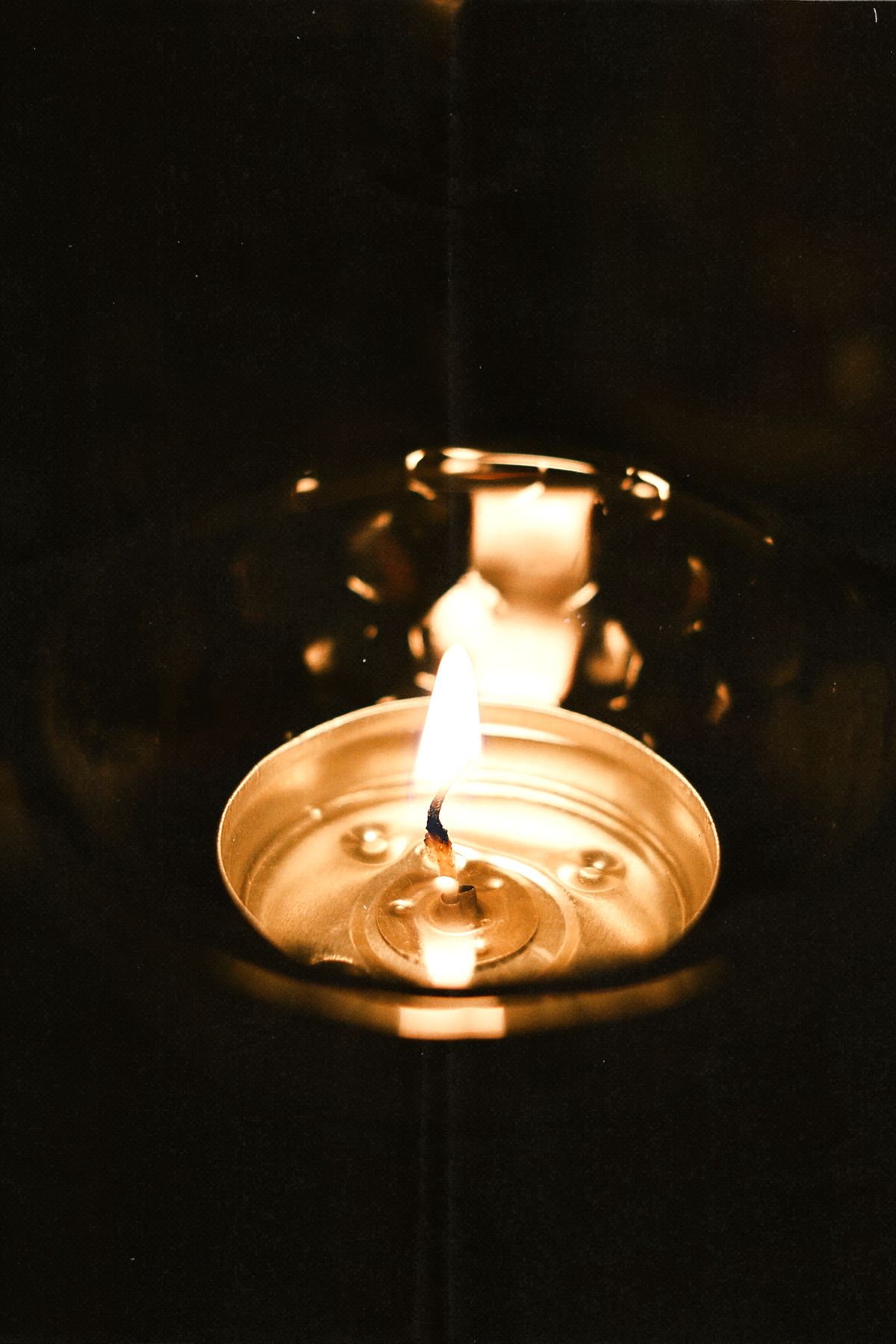
- Create your own ritual: just because society didn't hand you a ceremony doesn't mean you can't make one. Light a candle. Plant something. Write a letter. Rituals help the mind process loss, and yours can be entirely your own.
- Set gentle boundaries: you're allowed to say, "This is really hard for me right now, and I'd appreciate your support" — or simply to step away from people who minimize what you're feeling. You don't owe anyone an explanation for loving deeply.
Something that may help
Memory Journal
Consider giving your grief a tangible form — a memory journal to record their story, a place where this loss gets to be as real on paper as it feels in your chest.
→ Start a Memory JournalFree to use, no signup required.
Your Grief Is Legitimate
If the world around you seems to shrug at your loss, hear this clearly: your grief is real, valid, and proportionate to the love you gave. You don't need anyone's permission to mourn. The depth of your sorrow is simply the measure of how much they mattered — and that was never up for debate.