
There was no funeral. No one brought a casserole. Your office gave you exactly zero days off, and the calendar didn't pause to let you catch up with what happened. If you've lost a pet, you already know this particular ache — the world simply keeps moving at full speed around a loss that has quietly rearranged your whole life. This article is about a small, powerful antidote to that: ritual, and why building even a tiny one of your own can give grief a shape it wouldn't otherwise have.
Why Humans Have Always Turned to Ritual
Every culture that has ever existed has built some structure around death. Wakes, sitting shiva, lighting candles, scattering ashes, singing specific songs at specific hours — the details vary enormously, but the underlying instinct doesn't. Ritual takes something formless and overwhelming and gives it edges. It marks a beginning, however small, and it hints at an eventual middle and end, even when the grief itself has no such tidy arc.
Anthropologists have long noted that mourning rituals aren't primarily for the dead. They're for the living, and specifically for the living mind, which struggles to process loss when there's no external marker to organize it around. A ritual doesn't end grief. It contains it, the way a riverbank doesn't stop water but gives it a direction to move.
Why Ritual Matters Even More for Pet Loss
Most human death comes wrapped in ready-made ritual. There are religious frameworks, cultural scripts, bereavement leave, sympathy cards, a whole social infrastructure that shows up automatically and tells you what to do next. Pet loss usually comes with none of it. Society still treats the death of an animal companion as a lesser event, worthy of sympathy but rarely of ceremony, and that absence leaves people improvising their grief with no template at all.
The ritual vacuum is a real loss on top of the first one
Without an external structure, many grieving pet owners are left wondering if they're "allowed" to mark the loss formally at all — whether a memorial is an overreaction, whether taking a day to themselves is indulgent. That hesitation compounds the grief rather than easing it. Building your own ritual, even a private and modest one, is a way of formally declaring: this mattered, and it deserves a marker.
Small rituals do real psychological work
You don't need a ceremony with guests to get ritual's benefits. Grief researchers studying bereavement more broadly have found that even brief, self-directed rituals — a few minutes of intentional action repeated consistently — can reduce the sense of chaos that acute grief creates, because they reintroduce a small amount of control and predictability into an experience that otherwise feels like it's happening to you rather than something you're moving through.
“A ritual doesn't finish your grief. It gives your grief somewhere to stand while it does its slow, unfinished work.”
Building a Small Ritual of Your Own
The best pet loss rituals aren't borrowed from a template — they're built from the specific texture of your relationship with that particular animal. A few starting points:
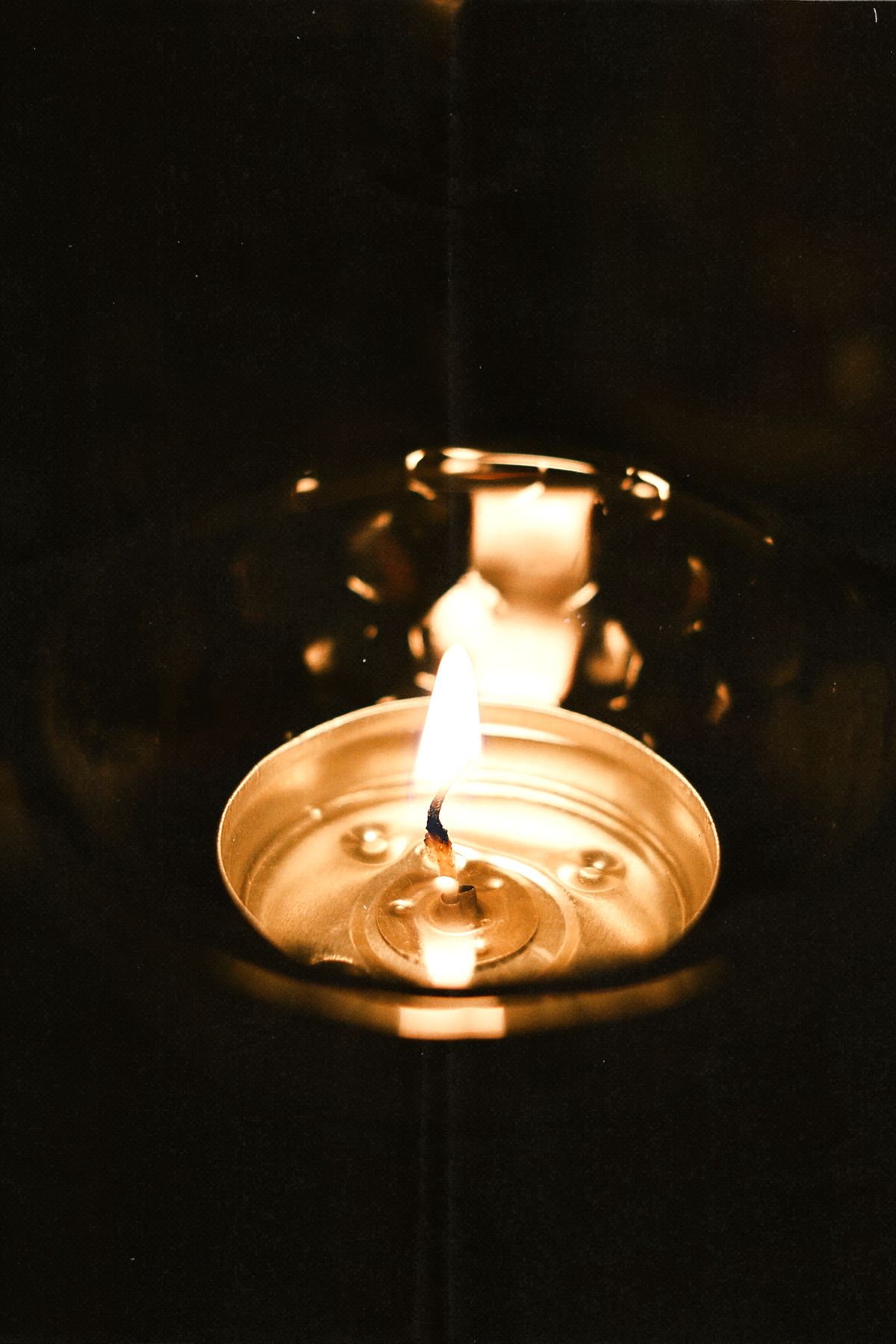
- A candle on a specific date. Light it on the day they died, or the day you adopted them, each year, for as long as it feels meaningful.
- The same walk, on purpose. If they had a favorite route, walking it once a year, or once a season, keeps a physical memory alive in your body, not just your mind.
- A place of honor for one small object. A collar, a favorite toy, a food bowl — moved deliberately to a shelf or drawer you chose, rather than left wherever it happened to land.
- An annual remembrance meal or moment. Cooking something they used to beg for, or simply sitting quietly with their photo for five minutes on their birthday.
- A written check-in. Writing them a short letter once a year, noting what's changed, what you still miss, what you'd tell them if you could.
None of these need an audience. None of them need to be elaborate. The power of ritual isn't in its scale — it's in its repetition, and in the simple, deliberate act of choosing to mark something the rest of the world will otherwise let pass unnoticed.
When You're Grieving One Pet Among Several
Multi-pet households add a layer ritual advice rarely accounts for: the surviving animals are watching, and sometimes searching, while you're trying to grieve. A ritual can hold both truths at once. Some families let a remaining dog or cat be present for a small ceremony, sniffing the collar or object being set aside, which seems to help animals settle into the absence rather than keep searching for it. Others build separate, smaller rituals for each pet in the household over the years, so no single loss quietly absorbs the space meant for another. There's no obligation to rank grief by species or years owned — a ritual sized to fit each relationship, rather than one used for all of them, tends to feel more honest.
Something that may help
The Tribute Wall
If you'd like your ritual to include a lasting, visible marker, our Tribute Wall lets you create a permanent page for your pet — photos, memories, and a place to return to whenever you want to mark the day again.
→ Create a Tribute PageFree to use, no signup required.