
You wake up one morning feeling unaccountably heavy, restless, or close to tears, and it takes you half the day to realize why: it's the date. Not a date you circled on the calendar, necessarily — sometimes you didn't even consciously remember it was coming. And yet your body knew before your mind caught up. If you've felt blindsided by grief that arrives, uninvited, on a specific day months or years after your pet died, this is for you. What you're experiencing has a name, a mechanism, and — more usefully — a way to prepare for it so it stops catching you off guard.
What an Anniversary Reaction Actually Is
Grief researchers call it an anniversary reaction: a return of grief symptoms — sadness, tears, fatigue, irritability, a lump in the throat you can't explain — that clusters around a meaningful date. It might be the date your pet died. It might be their adoption day, the first snow of the season you brought them home in, or a particular quality of light in late afternoon that happened to be present during their final weeks. The date itself doesn't have to be dramatic or obvious. It only has to have been present, once, during something that mattered enormously.
What makes this confusing is that you often don't consciously connect the dots until after the feeling has already arrived. That's not a sign anything is wrong with your memory or your grief process. It's actually a clue about where this kind of memory lives.
The Body Remembers Before the Mind Does
Conscious memory and body memory are not the same system, and they don't always report to each other on the same schedule.
Somatic memory versus the calendar in your head
Somatic, or body-based, memory stores sensory and emotional information — the smell of a certain month, the angle of sunlight, the temperature that matches the week your pet declined. Your nervous system can register "this is the same time of year as when something devastating happened" well before your conscious mind pulls up the actual date. This is why people report feeling off, tearful, or on edge for days before they realize what's coming. The body isn't being dramatic. It's doing exactly what memory is built to do: flagging a pattern before the story catches up to it.
Why this can happen years later
Anniversary reactions don't fade in any tidy, linear way. They can show up strongly in year one, feel almost absent in year three, and then return with surprising force in year seven — often triggered by something adjacent to the original loss, like getting a new pet around the same time of year, or simply having more emotional bandwidth available to feel it than you did when you were in survival mode. A quieter year doesn't mean it's over. It means grief found other places to live for a while.
“The date doesn't need your permission to matter. It only asks that you stop being surprised by it.”
How to Prepare for the Day Instead of Dreading It
The single most effective shift available to you is moving from bracing to planning. Dread is unstructured; it just sits in the back of your mind, vague and looming. A plan, even a small one, gives the day somewhere to go.
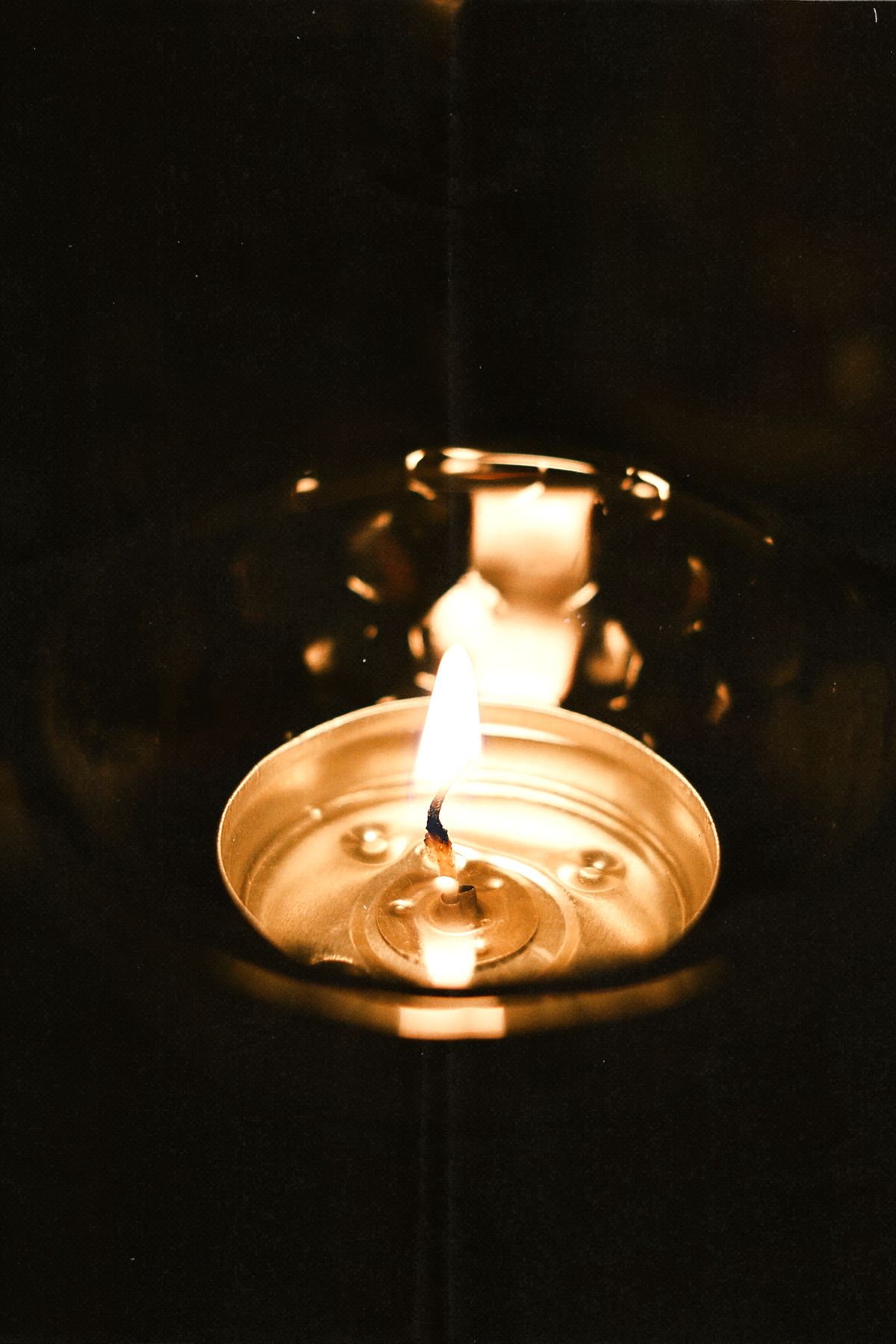
- Mark it on purpose. Choose in advance how you'll acknowledge the day — lighting a candle, visiting a favorite walking spot, looking through photos with a cup of tea. Deciding ahead of time turns the date from something that happens to you into something you shape.
- Tell the people around you. Let a friend, partner, or coworker know the date is coming so you're not explaining a bad mood after the fact. Something as simple as "this week is hard for me, I might need a lighter schedule" removes the added burden of masking it.
- Lower the bar for the day. Anniversaries are not the day to schedule anything demanding if you can help it. Protecting the day doesn't mean disappearing from your life; it means giving yourself permission to move through it more gently than usual.
- Notice the lead-up, not just the date. Many people feel worse in the days before an anniversary than on the day itself. If you know this about yourself, build in extra care for the whole week, not just the 24 hours everyone else would circle on a calendar.
When the Anniversary Isn't the Death Date
It's worth remembering that grief doesn't only orbit the day your pet died. Adoption anniversaries, birthdays, the first day of a season, even a particular grocery store aisle you always passed on the way to buy their food — any of these can carry the same weight. If a wave of grief arrives and you can't immediately place why, it can help to simply ask: what was happening around this time, in other years? Often the answer surfaces once you go looking for it, and naming it takes some of its power away.
Something that may help
Tool: The Memory Journal
A private, guided space to record dates, memories, and the moments that tend to bring grief back around — so that when an anniversary approaches, you have somewhere to meet it, rather than being caught unprepared.
→ Open the Memory JournalFree to use, private by default.