
If you've lost a parrot, a bearded dragon, a tortoise, or any animal outside the dog-and-cat mainstream, you may have discovered how alone this grief can feel. People struggle to understand bonding with a creature that doesn't wag or purr. But exotic pet owners know: these animals form attachments, develop personalities, and leave holes just as real as any other.
Birds: The Grief of a Feathered Family Member
Parrots and other companion birds can live for decades and bond as intensely as any mammal. They learn your routines, mimic your voice, call for you when you leave the room. A bird may have been with you for thirty or forty years — a presence across half your lifetime. Losing one is losing a genuine family member, often one you expected to outlive you.
The Intelligence That Deepens the Bond
Many bird owners grieve the lost conversations, the games, the affection a clever animal offered freely. The cognitive richness of these creatures makes their absence especially loud. If you had a bird who said your name, the silence where that voice used to be can be unbearable.
Reptiles: Love Without the Usual Signals
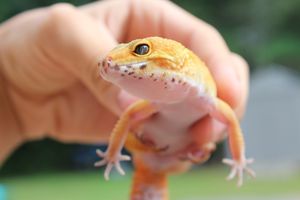
People assume reptiles are unfeeling, so reptile owners face heavy dismissiveness. But anyone who has had a tortoise recognize them, or a bearded dragon that sought out warmth on their shoulder, knows there's a relationship there — quieter, but real. The bond is built on years of observation, care, and the slow trust a cold-blooded animal extends in its own way.
Something that may help
A Portrait for the Overlooked Companions
Exotic pets are rarely represented in mainstream memorial products, which can add to the feeling of being overlooked. Independent artists frequently create custom portraits of birds, lizards, and other unusual companions — a way to see your pet honored as the individual they were.
→ Browse custom pet portraitsExternal retailer link. PawsHush may earn a small commission at no cost to you.
The Disenfranchised Grief of Unusual Pets
Exotic pet owners often experience grief that society flatly refuses to recognize. The dismissal tends to follow a familiar pattern.
- “It was just a lizard.” A remark that erases years of daily care, recognition, and routine built between you and the animal.
- “How attached can you get to a bird?” A question that assumes intelligence and affection require fur or a wagging tail to count.
- “You can just get another one.” A suggestion that treats an individual creature, with its own personality and history with you, as interchangeable.
- “At least it wasn't a real pet.” A dismissal that draws an arbitrary line around which species are allowed to be grieved.
These remarks reveal ignorance, not truth. Your grief is not strange or excessive — it's the natural result of a real bond with a real, conscious creature. Seek out species-specific communities online, where your loss will be met with immediate understanding.
“Your grief is not strange or excessive — it's the natural result of a real bond with a real, conscious creature.”
The Guilt of Specialized Care
Exotic animals have exacting needs — temperature, humidity, diet, lighting — and owners often agonize over whether a husbandry mistake contributed to the loss. Even devoted keepers, doing everything right, lose animals to issues that are notoriously hard to detect. Caring deeply is not the same as causing harm.
Honoring an Unconventional Companion
Mark the loss in a way that fits the animal you knew. Some owners keep a shed skin, a molted feather, or an empty enclosure plant as a living memorial. Whatever form it takes, your grief deserves the same respect as anyone's. Our memory journal works for every species — including the ones the rest of the world doesn't quite understand.