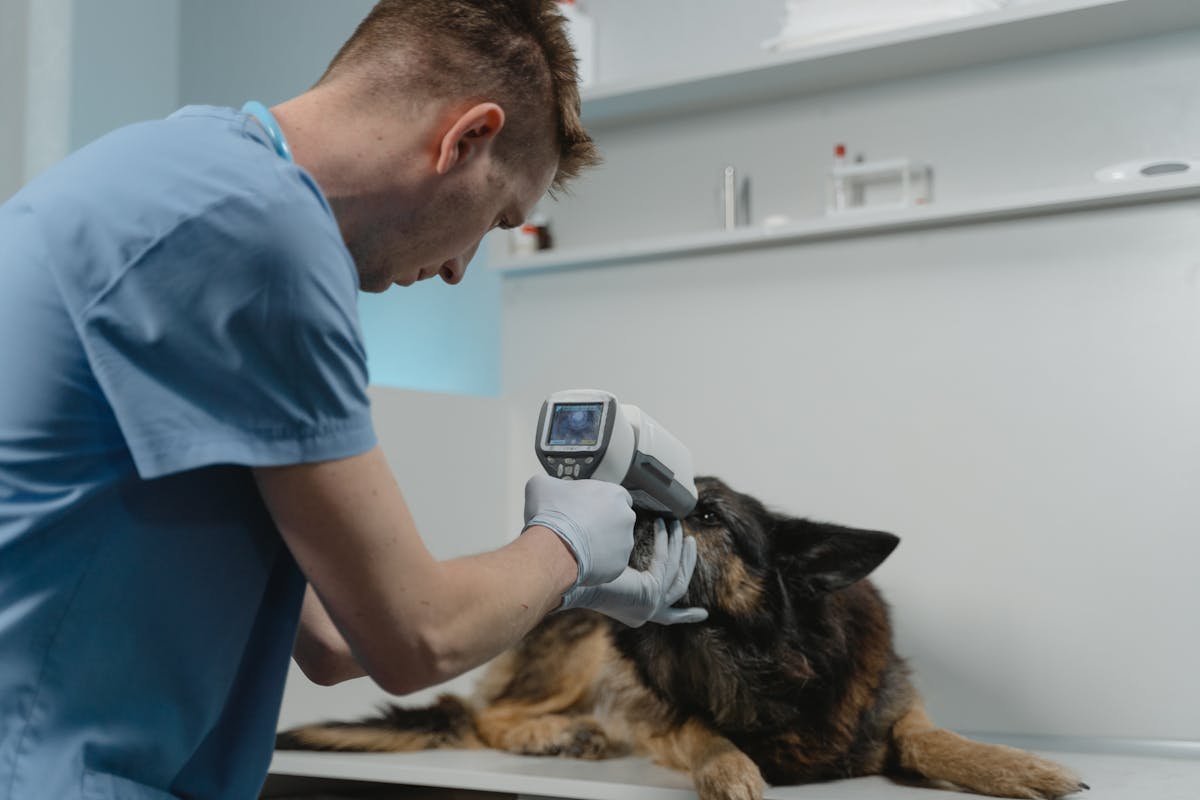

They walk into the exam room and deliver devastating news with a steady voice, then walk into the next room and do it again, sometimes several times in a single shift. Veterinary medicine asks its people to carry an extraordinary emotional weight, over and over, often without the structured support that other high-stress professions have built for exactly this problem. If you're a veterinary professional wondering whether what you're feeling has a name, or if you love someone in this field and want to understand what they're carrying, this is for you.
Why Veterinary Medicine Is Uniquely Vulnerable
Veterinary professionals face a rare combination of stressors that few other fields experience together: near-constant exposure to death and euthanasia, the emotional labor of client grief, the moral weight of financial constraints limiting treatment options, long hours, high student debt relative to income, and the unusual responsibility of ending life as part of routine, compassionate care. Studies on veterinary mental health have consistently found elevated rates of burnout, compassion fatigue, and suicidal ideation compared to the general population, a pattern serious enough that it has prompted dedicated wellness initiatives across the profession in recent years.
Compassion fatigue specifically differs from ordinary burnout. Burnout tends to build gradually from workload and systemic stress. Compassion fatigue is what happens when the emotional cost of repeatedly caring for suffering — animal and human — begins to erode a person's own capacity to feel and give that care, sometimes rapidly, sometimes without the person even fully recognizing what's happening to them until it's advanced.
What Compassion Fatigue Actually Looks Like
Early signs that get dismissed as "just a hard week"
The onset is often subtle enough to be explained away. Increased irritability with coworkers or clients, a growing sense of dread before shifts, trouble sleeping after emotionally difficult days, and a creeping numbness during euthanasias that used to affect the person deeply are all common early indicators. Many veterinary professionals describe this stage as feeling like they're "going through the motions" of compassion without fully feeling it anymore, which itself often produces guilt on top of the exhaustion.
Signs the fatigue has become more serious
As compassion fatigue deepens, it can present as chronic exhaustion that rest doesn't resolve, cynicism about clients or the profession itself, physical symptoms like headaches or gastrointestinal distress, withdrawal from colleagues and loved ones, and in more severe cases, depression or thoughts of self-harm. Veterinary professionals are also at elevated risk because many have relatively easy professional access to the means of euthanasia drugs, a sobering fact that underscores why early intervention matters so much.
“Caring for grieving people and dying animals, appointment after appointment, is not sustainable without deliberate support — no matter how much someone loves the work.”
Contributing Factors Specific to Veterinary Work
- Repeated euthanasia exposure. Some veterinarians perform this procedure multiple times a week, each one requiring full emotional presence for a grieving family while managing their own reaction.
- Economic euthanasia decisions. Being asked to end a treatable animal's life because a family cannot afford care creates a specific, painful moral distress that accumulates over a career.
- Client conflict and blame. Veterinary teams frequently absorb anger and grief redirected at them by clients who are themselves in acute distress, without the same protections other medical fields have developed.
- Understaffing and long hours. Many clinics operate with thin staffing, meaning less time to emotionally recover between difficult cases and less capacity to support each other.
- A culture of stoicism. Veterinary training has historically emphasized clinical composure over emotional processing, which can discourage staff from acknowledging fatigue until it's severe.
What Actually Helps
Individual coping strategies matter, but research on compassion fatigue in veterinary medicine increasingly points toward structural, workplace-level solutions as the most effective: built-in debriefing time after difficult euthanasias, access to veterinary social workers or counselors, realistic scheduling that allows recovery time, and a workplace culture that treats emotional exhaustion as an occupational reality rather than a personal weakness. If you manage a clinic, these are not luxuries; they are retention and safety issues for your entire team.
If you're the one experiencing this, know that seeking support is not a sign that you're unsuited to the work. It's a sign that the work is genuinely, measurably hard, and that you deserve the same care you give so consistently to others.
Something that may help
Tool: Find Support
Our directory includes resources specifically for veterinary professionals, including confidential wellness lines and counselors experienced with the particular emotional demands of this field.
→ Find Support Near YouFree to use, no signup required.