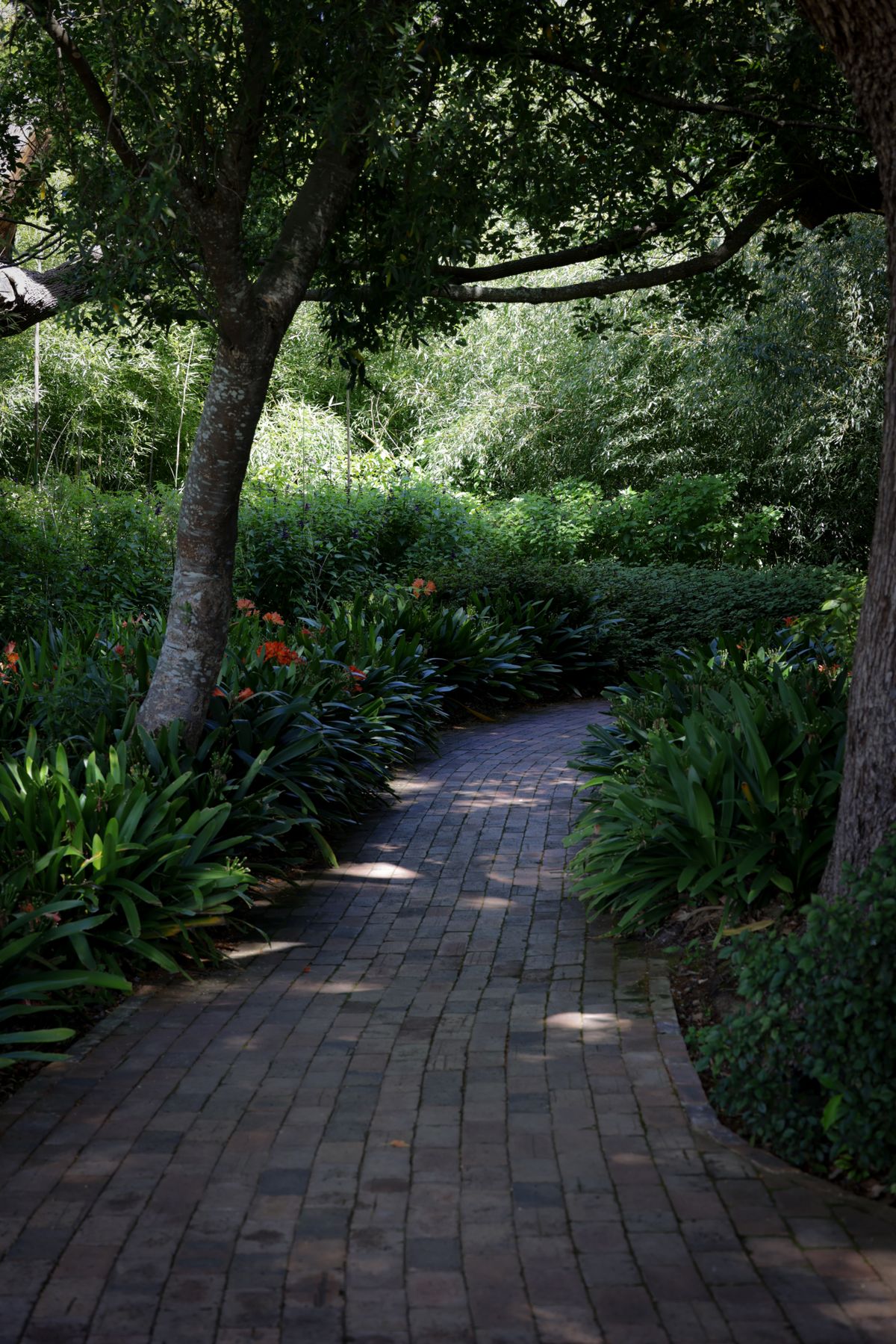

A grave marker is one of the few grief purchases you make just once, and you make it while still raw, which is a strange place from which to compare materials and vendors. There is no need to rush this decision — a bare patch of earth marked with a simple stone or a stick can hold the place perfectly well while you take your time. But when you're ready to choose something permanent, it helps to know what you're actually buying: what the materials will look like in twenty years, what engraving options exist, and which questions separate a thoughtful supplier from one that will disappoint you.
Materials, and What They'll Look Like Later
Pet grave markers are typically made from granite, marble, resin composite, or bronze, and the differences between them matter more once weather and time get involved.
- Granite. The most durable and weather-resistant option, available in many colors, and the closest thing to a "forever" marker. It costs more than resin but holds its engraving crisply for decades outdoors.
- Marble. Beautiful and classic-looking, but softer than granite, which means it can erode, stain, or lose engraving detail faster in harsh climates or acidic soil.
- Resin or composite stone. The most affordable option and often the lightest, making it easy to reposition. It's best suited to a garden bed rather than direct ground contact with heavy weather exposure, since it can fade or crack over many years.
- Bronze plaques. Extremely long-lasting and often mounted onto a separate stone base, though they carry a higher price point and can be a target for theft in unsecured outdoor settings.
Indoor vs. outdoor placement
If the marker will live indoors, on a shelf or in a memorial garden viewable from a window, your material options open up considerably — ceramic, glass, and painted wood all become reasonable choices. If it's going into the ground or a garden bed exposed to freeze-thaw cycles, rain, and UV, stick to granite, bronze, or a resin explicitly rated for permanent outdoor use.
Size and how it will actually sit in the space
Small markers (roughly 6 by 12 inches) suit a garden bed or the base of a memorial tree. Larger upright stones make sense for a dedicated section of yard but require a stable, level base to avoid tilting as soil settles. If you're burying at a pet cemetery rather than at home, check their specific size and material restrictions before ordering — many have rules about what they'll allow.
Engraving Options and What to Say
Most suppliers offer laser engraving, sandblasting, or hand-carving, with laser generally being the most affordable and precise for smaller text and simple images. Beyond the technique, think about what you actually want carved.
- Name and life dates (or approximate dates, if exact ones aren’t known — many rescue pets don’t have a documented birthday).
- A short phrase — a favorite nickname, "beloved companion," or a line specific to them rather than generic.
- An image or icon, if the supplier offers it — a paw print, a simple silhouette, or a small motif tied to their personality.
“A marker doesn't need to say everything you feel. It only needs to say enough that a stranger walking by would know someone was loved here.”
Questions to Ask Before You Order
A little vetting up front prevents a painful surprise months later, when the marker finally arrives and doesn't match what you pictured.
- Can I see a digital proof before production? Any reputable engraver will send one, and you should review it carefully for spelling and date accuracy.
- What's the actual turnaround time? Custom engraving can take anywhere from a few days to several weeks; get this in writing if timing matters to you.
- Is the material rated for permanent outdoor exposure, if that's where it's going, and what's the manufacturer's guidance on expected lifespan?
- What is the return or correction policy if the engraving arrives with an error?
Caring for the Marker Over Time
A marker left completely alone will still show its age eventually, and a little maintenance keeps it legible and upright for decades rather than years. Ground settling can tilt an upright stone within the first year or two, so it's worth checking the base after the first hard winter and resetting it if needed. Granite and bronze can be gently cleaned with water and a soft brush; avoid harsh chemicals, which can dull the finish or discolor engraving. Moss and lichen are common on outdoor stone and aren't harmful, so removing them is entirely a matter of preference rather than necessity. A once-a-year check, maybe timed to the same visit where you mark the anniversary, is really all any of these materials need.
Whatever you choose, remember that the marker is a symbol, not the memory itself. It's there for the moments you want a place to stand still in front of — it was never meant to hold the whole relationship on its own.
Something that may help
Book: "Pet Loss: A Spiritual Guide" by Nieburg & Fischer
A widely recommended resource for thinking through the meaning behind memorialization choices, including how physical markers and rituals support long-term healing.
→ Search on AmazonThis is an affiliate link. PawsHush may earn a small commission from qualifying purchases, at no extra cost to you.