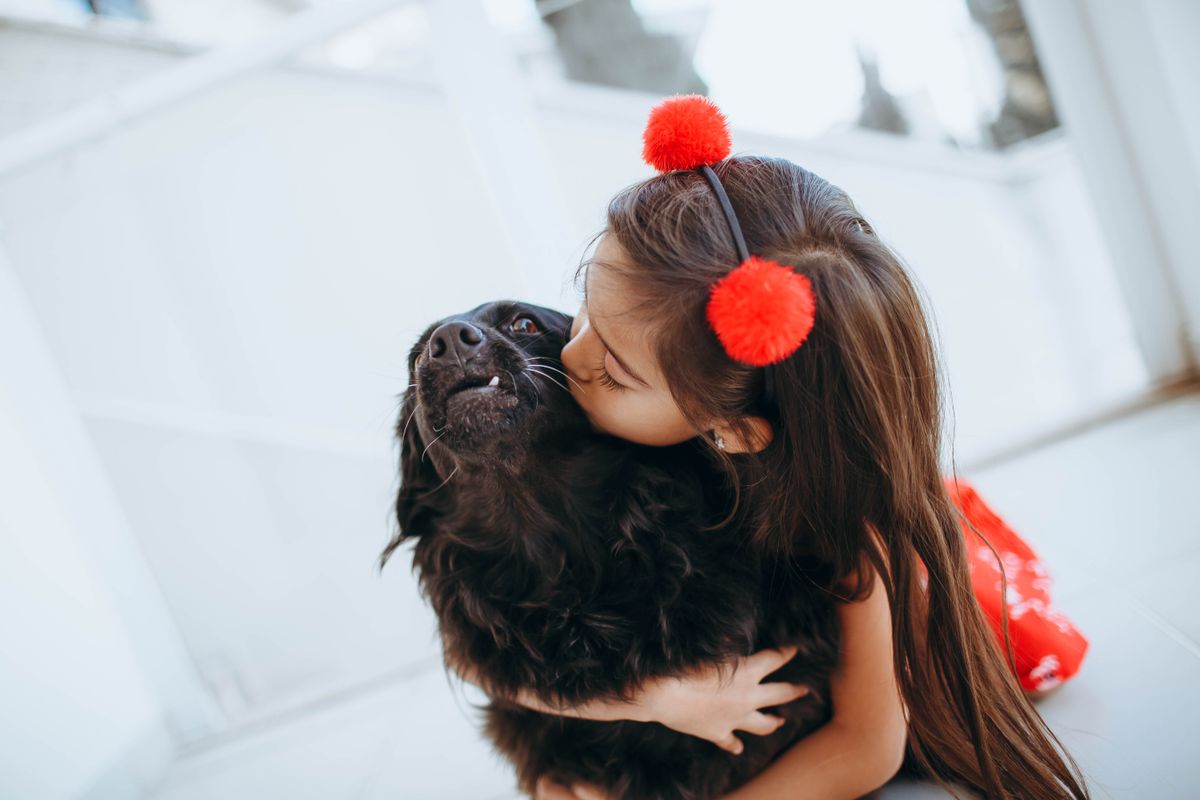

Your child is inconsolable, and there's a shelter twenty minutes away full of animals who need homes. It feels like an obvious fix — sad child, available puppy, problem solved. But the instinct to immediately replace a lost pet deserves more scrutiny than it usually gets, because what looks like comfort can sometimes quietly teach a child to avoid feeling loss altogether. This article will help you think through the timing honestly, so whatever you decide is actually about your child's healing rather than about ending everyone's discomfort as fast as possible.
What Rushing a Replacement Actually Teaches
When a new pet arrives before a child has had any real time to grieve, the underlying message — however unintentional — is often something like: sad feelings are a problem to be solved quickly, and the way to solve them is to make the source of sadness disappear from your attention. Children are quick studies in emotional patterns. A child who learns that grief gets short-circuited by a quick replacement may carry that avoidance strategy into other losses throughout life, becoming someone who deflects rather than processes.
This isn't a moral judgment on any specific family's timing. It's simply worth naming the pattern clearly, because most parents who rush a replacement are acting from love and a desperate wish to stop their child's pain, not from carelessness.
Signs Your Family Might Be Rushing
- The new pet search starts within days of the loss. Especially if it's framed explicitly as a way to make the sadness stop, rather than something considered independently of the grief.
- The new pet is discussed as a replacement, not a new relationship. Language like "this will be just like Bella" sets an unfair standard for a new animal and skips past acknowledging that Bella herself mattered.
- The child hasn't been allowed to say they're still sad. If mentioning the old pet gets redirected quickly toward excitement about the new one, that's a sign the loss isn't being given room.
- The decision is driven by a caregiver's discomfort, not the child's readiness. It's worth being honest with yourself about whose distress is actually being addressed by moving quickly.
What Timing Generally Works Better
There's no universal rule, since children and families vary enormously, but a few general guidelines tend to hold up well.
Let the timeline follow your child, not the calendar
- Let the acute grief phase pass first. Most children show their most intense grief reactions in the first two to four weeks. Waiting until this initial intensity has eased, even if sadness continues at a lower level, usually produces a healthier relationship with a new pet.
- Wait until your child raises the idea, or responds enthusiastically when you raise it. A child who is ready to consider a new pet often signals it themselves, sometimes weeks after you'd have expected.
- Choose a genuinely different animal where possible. A different breed, color, name, or even species can help both the child and the family avoid the trap of unconsciously expecting the new pet to be a continuation of the old one.
- Talk about the old pet during the process, not around it. "We're not replacing Bella. No one could. We're getting to know someone new, and it's okay to still miss her while we do."
“A new pet can be part of healing, but only once grief has actually been allowed to happen — otherwise it just becomes a very effective way of postponing it.”
When a Faster Timeline Genuinely Makes Sense
This isn't an argument for an arbitrary waiting period in every case. Some families have practical realities — a working farm, a service animal in training, a household built around having a pet present — where a faster timeline is genuinely appropriate. In these cases, the key isn't delay for its own sake, but making sure grief is still actively acknowledged alongside the new arrival, rather than assumed to be resolved by it. A new pet and ongoing grief for the old one can coexist; the goal is making sure they do, rather than letting one silently erase the other.
What to Watch for With the New Pet
Comparison and guilt are normal, not warning signs
Once a new pet does arrive, pay attention to whether your child seems to be comparing constantly, expressing disappointment that the new animal "isn't like" the old one, or showing signs of guilt about bonding with someone new. These reactions are normal and usually fade with reassurance that loving a new pet doesn't erase love for the one who died — the two are allowed to exist side by side, the same way the grief and the joy do for adults navigating similar overlaps in their own lives.
Something that may help
When Is It Okay to Get Another Pet?
Our companion piece for adults facing the same question in their own grief covers many of the same emotional dynamics from a different angle, and is worth reading alongside this one.
→ Read That ArticleFree to read, part of the PawsHush article library.