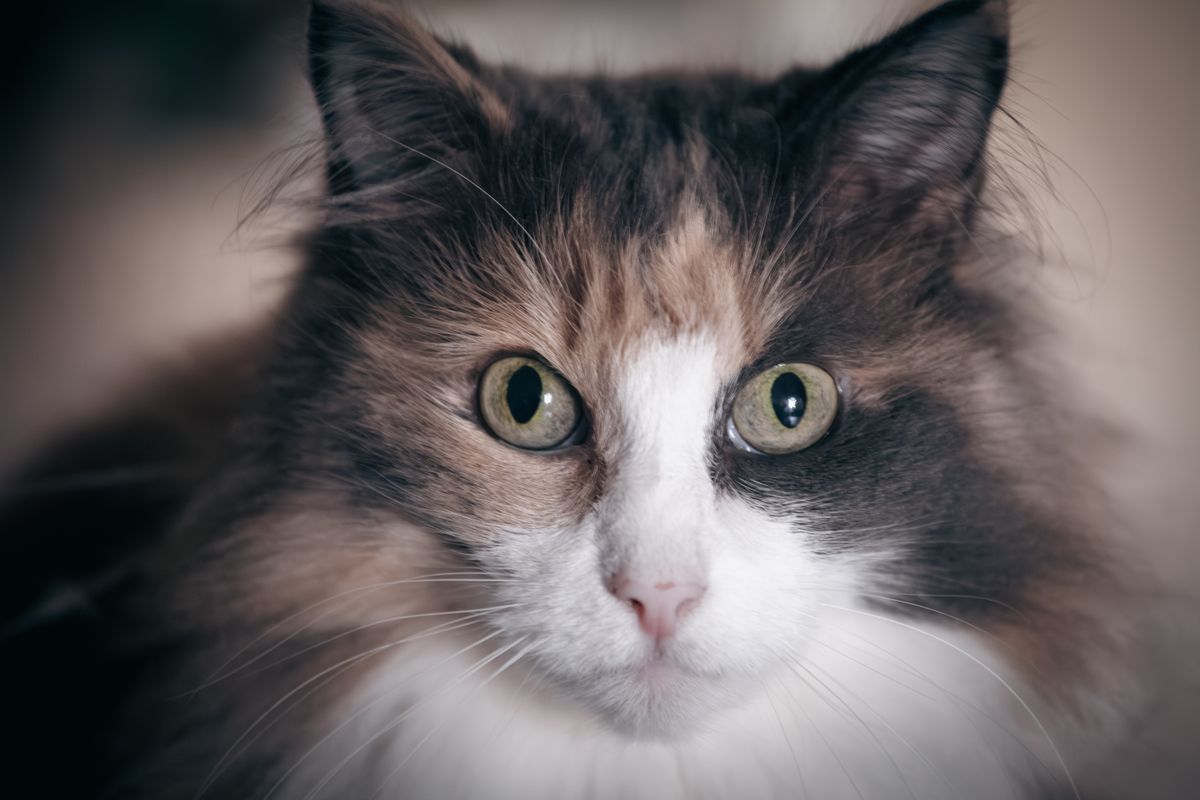

The world loves to tell you cats are aloof, that they tolerate us rather than love us. Anyone who has truly bonded with a cat knows how wrong that is. The cat who slept on your chest, who waited at the door, who chose your lap out of every option in the house — that was love, on a cat's own quiet terms. And losing it is a profound grief.
The Particular Intimacy of Cats
Cat bonds are subtle, which makes them easy to underestimate until they're gone. The slow blink. The headbutt. The way they followed you room to room without making a show of it. Cats often pick one person, and if that person was you, the connection ran deep. Their affection had to be earned, which is exactly why it felt so meaningful.
The Silence Afterward
A house without a cat is quiet in a specific way — no soft thump from the windowsill, no presence curled in the sunny spot. Many grieving owners describe sensing their cat in peripheral vision for weeks: a shadow on the stairs, a shape in the favorite chair. This is a normal feature of grief, not a sign anything is wrong with you.
When You Have Other Cats
If you live in a multi-cat home, the surviving cats may grieve too. Watching them look for their companion can deepen your own pain, but recognizing the signs helps you respond with patience instead of worry.
- Searching and calling. A surviving cat may check familiar spots — the food bowl, the windowsill, the bed — and meow in a way that sounds distinctly like searching.
- Changes in appetite. Grieving cats often go off their food for a few days, which is normal but worth monitoring if it continues.
- New clinginess or withdrawal. Some cats become unusually attached to their remaining humans; others retreat and want to be left alone.
- Disrupted sleep or routine. A cat who shared a sleeping spot with their companion may wander at night or nap in unfamiliar places for a while.
Keep their routine steady, offer extra attention, and give it time. Most adjust within a few weeks.
Something that may help
A Portrait That Captures the Look Only You Knew
A bonded companion deserves a fitting tribute. Many owners turn a favorite photo into a custom cat portrait, capturing the exact tilt of the ears and the look in the eyes that no one else ever saw quite the way you did.
→ Browse custom cat portraitsExternal retailer link. PawsHush may earn a small commission at no cost to you.
Guilt and the Things Cats Hide
Cats are masters at concealing illness, and many owners blame themselves for not noticing sooner. Kidney disease, hyperthyroidism, and cancer can advance quietly behind a normal-looking exterior. You watched closely; the disease was just better at hiding than you could have caught. That is the nature of the animal, not a verdict on your care.
The Independence Myth and Grief
Sometimes people minimize cat grief: "It was just a cat, they didn't even need you." This dismisses a bond they never witnessed. You don't need their permission to grieve fully. Find the people who understand that a cat can be a soulmate in fur.
“The relationship doesn't end because the cat is gone; it changes form.”
Holding Onto the Bond
Write down the rituals only the two of you shared — the secret name, the specific spot, the routine you'd never explain to anyone. Our memory journal offers gentle prompts for preserving exactly those details, the small private language of a love that was anything but aloof.