
You can make it through the funeral arrangements, the sympathy texts, the first quiet night. And then you walk into the kitchen, see the food bowl still sitting by the wall, and you're undone in an instant. Grief rarely announces itself. It ambushes you in the small, ordinary places — and those ambushes can feel disorienting, even frightening, if no one's warned you they're coming.
Why the Small Things Hit Hardest
Grief lives in routine. For years, your day was scaffolded around your pet: the morning feeding, the jingle of a collar, the spot on the couch, the walk at dusk. Your brain built thousands of tiny automatic expectations around their presence. When they're gone, each unmet expectation fires — and that's a trigger. The food bowl isn't just an object. It's a small monument to a thousand mornings you'll never have again.
Common ambush points
People are often blindsided by ordinary, everyday things that used to belong to a shared routine:
- The food and water bowls still sitting where they always sat.
- The leash by the door, ready for a walk that won't happen.
- Fur on a sweater or a blanket, found weeks later.
- The silence at the time they used to greet you, every single day.
- Their favorite spot, empty on the couch or by the window.
- A similar bark or meow outside, that turns your head before you remember.
- A routine reminder from the vet, arriving as if nothing has changed.
None of these are signs you're "not coping." They're signs you loved a creature who was deeply woven into your life.
“The food bowl isn't just an object. It's a small monument to a thousand mornings you'll never have again.”
Something that may help
The Grief Email Series
If the waves keep catching you off guard, you're not alone. Our free grief email series helps you understand what's happening and gives you ground to stand on when the ambushes come.
→ Join the grief email seriesFree to use, no signup required.
What to Do When a Trigger Hits
Let the wave move through you
Triggers tend to spike fast and then ease. Rather than fighting the feeling, try to ride it — breathe, let the tears come, place a hand on your chest. Grief that's allowed to move tends to pass more cleanly than grief that's clenched against.
Decide about belongings on your own timeline
There's no rule that says the bowl must be put away immediately — or that it must stay forever. Some people need to tuck things out of sight right away; others find comfort in leaving them for weeks. Both are normal. You get to choose when.
Something that may help
Memory Journal
When you're ready, some people transform a painful object into a comforting one — recording the story behind each trigger, so the object becomes a doorway to a memory instead of a wound.
→ Start a Memory JournalFree to use, no signup required.
Anniversaries and Milestones Bring Their Own Ambush
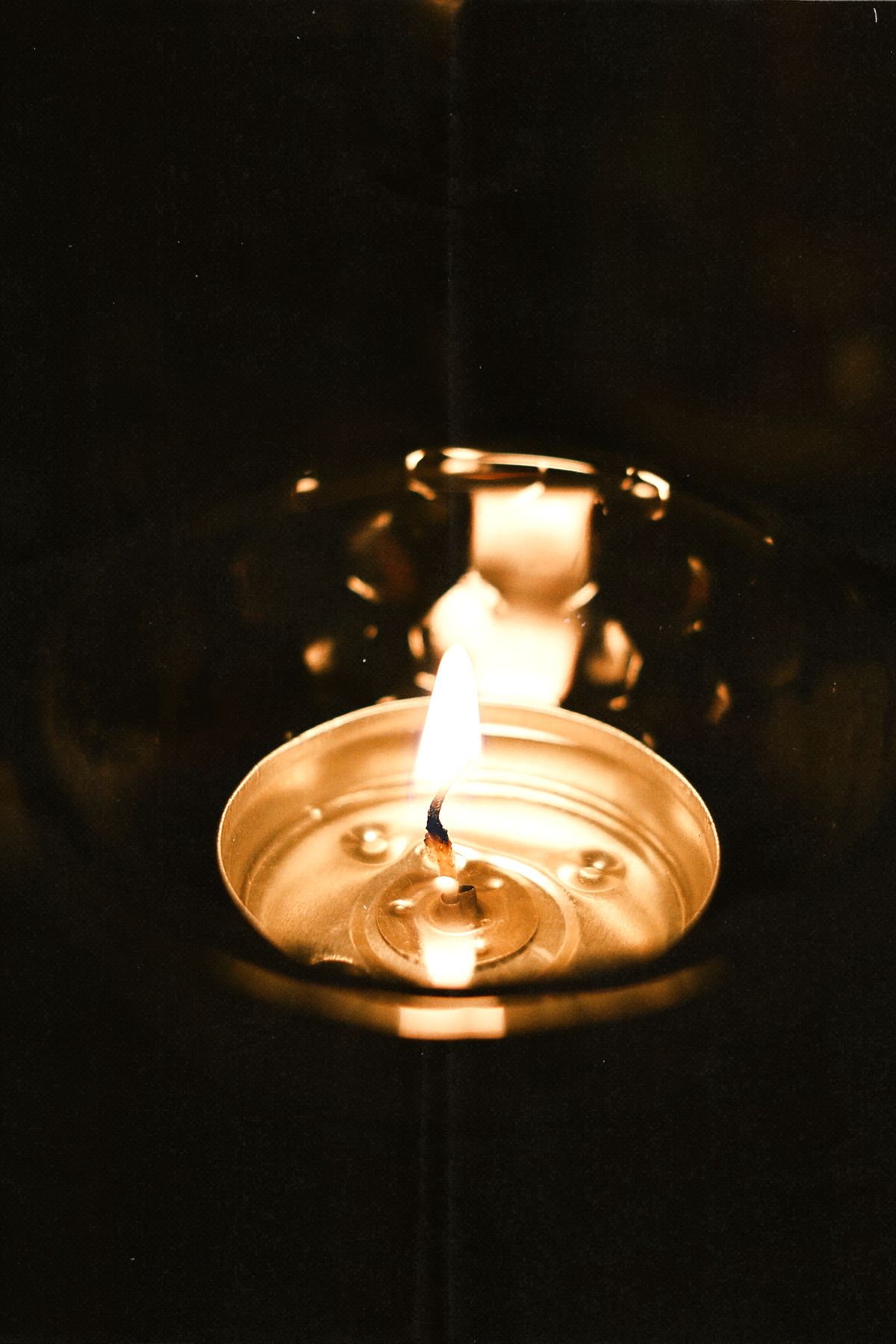
Beyond the daily reminders, certain dates carry their own gravitational pull: the day they died, the day you adopted them, even a season change that lines up with when they got sick. You might feel a familiar heaviness for days before you consciously connect it to the calendar. That's not a coincidence or an overreaction — anniversary grief is a well-documented pattern, and your body often remembers before your mind does. Marking the date on purpose, even with something small like lighting a candle or looking through old photos, tends to soften the ambush into something more like a chosen remembrance.
Triggers Soften Over Time
In the early weeks, triggers can feel relentless. With time, the same food bowl that once leveled you will more often bring a bittersweet smile than a fresh collapse. This shift isn't forgetting — it's your nervous system slowly updating to a new reality while keeping the love intact. Be patient with yourself in the meantime. Getting ambushed by grief isn't weakness. It's the echo of a bond that was real.