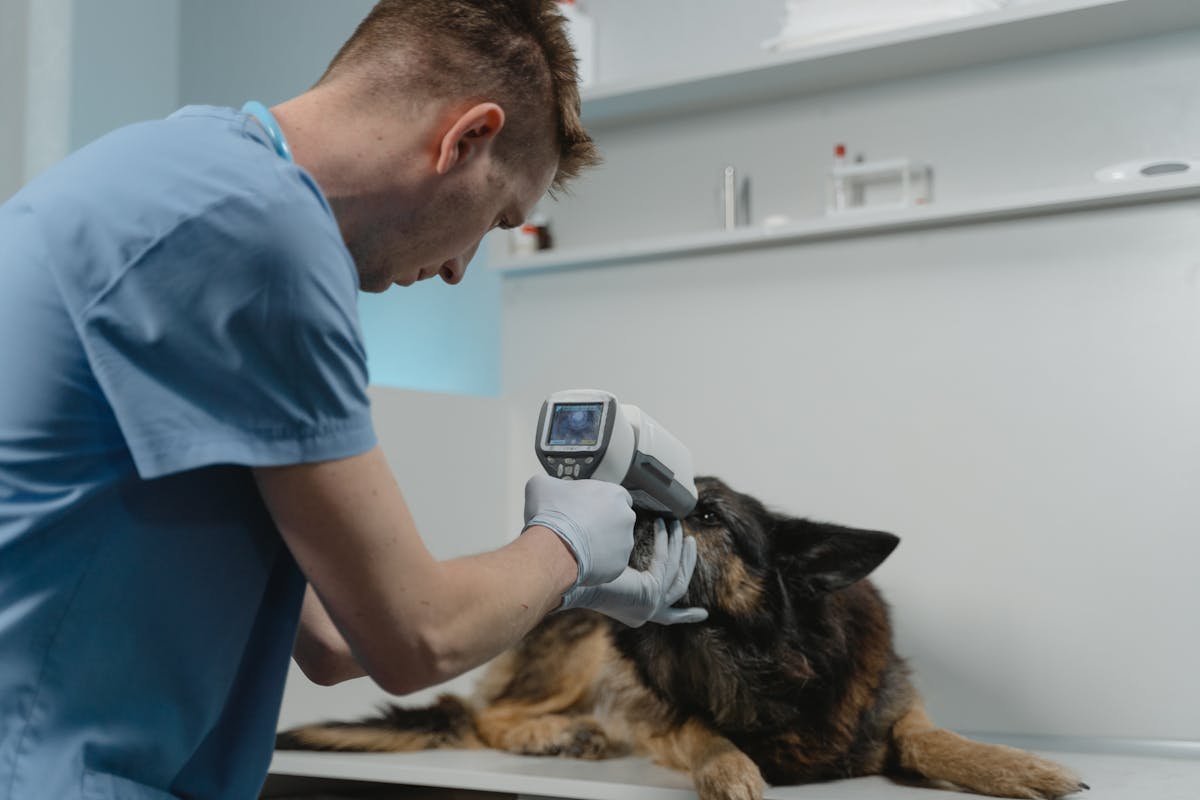
Somewhere between your veterinarian's medical expertise and your own overwhelmed heart, there's a gap that a newer kind of professional has started to fill. A pet end-of-life doula isn't a vet, and they aren't a therapist, but they occupy a role adjacent to both — someone whose entire job is to walk alongside you through the dying process, without a syringe in hand and without a clinical clock running. If you've never heard of this role, or you've heard the term and wondered whether it's worth the cost, here's what a pet doula actually does and how to know if one would help your family.
Where the Role Came From
The concept borrows directly from human end-of-life doulas, a role that has grown steadily in hospice care over the past two decades to fill exactly this gap: medical staff manage the body, but who manages the experience? Pet doulas emerged as veterinary hospice and palliative care matured as a specialty, and as families increasingly wanted more support during a pet's decline than a twenty-minute appointment every few weeks could offer. It's still a small, unregulated field with no single certifying body, which means quality and training vary considerably between practitioners.
What a Pet Doula Actually Does
During the decline
Most of the work happens before death, not during it. A doula might visit regularly to help you track quality-of-life changes, talk through what a "good day" and a "hard day" look like for your specific pet, and help translate your vet's medical language into a plan you can actually act on day to day. Many also help coordinate between your regular vet, a hospice provider, and family members who may not be processing the decline at the same pace.
Around the death itself
Some doulas are present for the euthanasia appointment itself, not to perform any medical task but to hold space — managing the room, keeping children or other pets settled, or simply being a calm, steady presence so you can be fully present with your pet instead of managing logistics. Others focus entirely on the before and after, stepping back during the appointment itself and returning afterward to help with the immediate grief and practical next steps.
- Quality-of-life tracking and translation. Turning medical updates and daily observations into a clear, shared picture of how your pet is really doing.
- Family coordination. Helping everyone in the household — partners, kids, other pets' routines — move through the decline with less friction and more shared understanding.
- Ritual and meaning-making. Some doulas help families plan a final "good day," a small ceremony, or a way of marking the death that feels intentional rather than rushed.
- Grief support after. Many stay in contact for weeks afterward, offering a level of continuity that a veterinary office, however caring, usually can't provide.
“A doula doesn't treat the disease. They tend to everything the disease doesn't touch — your attention, your presence, your ability to actually be there instead of just getting through it.”
When It's Worth Considering
This kind of support tends to matter most in specific situations rather than being universally necessary.
- A prolonged decline with an uncertain timeline, where the ongoing uncertainty itself is exhausting the whole household.
- A family that's split on decisions or timing, where a neutral, experienced third party can help everyone get on the same page.
- Young children or vulnerable family members who need extra help processing what's happening in real time.
- Simply wanting more presence and less clinical pace than a typical veterinary relationship allows.
How to Vet a Doula, Since No One Else Will
Because there's no single licensing board, ask directly about training background — many come from hospice, veterinary technician, or grief counseling backgrounds, and it's reasonable to ask which. Request references from past families, clarify exactly what services are included in their fee, and confirm they understand their role does not replace your veterinarian's medical authority. A good doula will be transparent about these boundaries rather than defensive about them.
Something that may help
Tool: The Hospice & Symptom Checklist
Whether or not you bring in a doula, this free checklist helps you track daily symptoms and comfort so you have clear, specific information to share with anyone supporting you through the decline.
→ Use the Hospice ChecklistFree to use, no signup required.