Not knowing what to expect is its own particular kind of dread. You've made the decision, you've scheduled the appointment, and now there's a strange, suspended waiting period where your imagination fills in details nobody has given you. Will it hurt? Will it be fast? Will you know what to do with your hands? A home euthanasia appointment is gentler than almost anyone expects going in, and knowing the actual sequence of events — not a vague outline, but the real minute-by-minute shape of it — can turn dread into something more manageable: readiness.
Before the Vet Arrives
Most families spend the hour before the appointment doing something quietly meaningful without realizing that's what it is — making a favorite meal, sitting on the floor, letting the dog or cat do whatever they want without correction. There's no required ritual here. Some people play a pet's favorite song. Others just sit. The only real task is choosing a location: a bed, a couch, a favorite patch of yard, wherever your pet is most relaxed. Vets who do this work will almost always let you pick the spot.
The First 10 to 15 Minutes: Arrival and Consent
The veterinarian or veterinary team typically arrives with a calm, unhurried energy on purpose — rushing is one of the few things that can make this harder than it needs to be. Expect this sequence:
- A quiet greeting. Most home euthanasia vets spend the first few minutes simply being present with your pet, letting them sniff a hand or bag, not launching straight into procedure.
- A brief health check-in. They'll ask how the last day or two have gone, confirming the decision is still the right one today, not just when it was scheduled.
- Paperwork and consent. A short consent form, payment (often handled before or after so it isn't the last thing on your mind), and a conversation about aftercare choices if you haven't already decided.
- Explaining what will happen. A good provider walks you through the next two steps before doing them, so nothing is a surprise in the moment.
What the sedation injection actually does
The first injection is a heavy sedative, usually given under the skin or into a muscle, similar to a normal vaccine in sensation. It takes anywhere from five to twenty minutes to take full effect. Your pet may seem confused, wobbly, or simply sleepy before settling into a deep, snoring, fully unconscious state. This is the point at which most families report the most surprising thing about the whole process: how peaceful it looks. There is no pain associated with this stage — only a gradual, heavy drift into sleep, the same way anesthesia works before any other procedure.
The waiting period, and why it matters
This is often the most tender part of the visit. Once sedated, your pet is fully unconscious and cannot feel anything, hear distress in your voice, or be startled by anything happening around them. Many families use these minutes to say the things they've been holding, pet their fur one more time, or simply sit in silence. There's no wrong way to spend it. Some vets step out of the room briefly to give you privacy; others quietly monitor from nearby. You can ask for either.
“The sedation stage isn't the hard part to survive — it's the part where you finally get to just be with them, without a clock running.”
The Final Injection
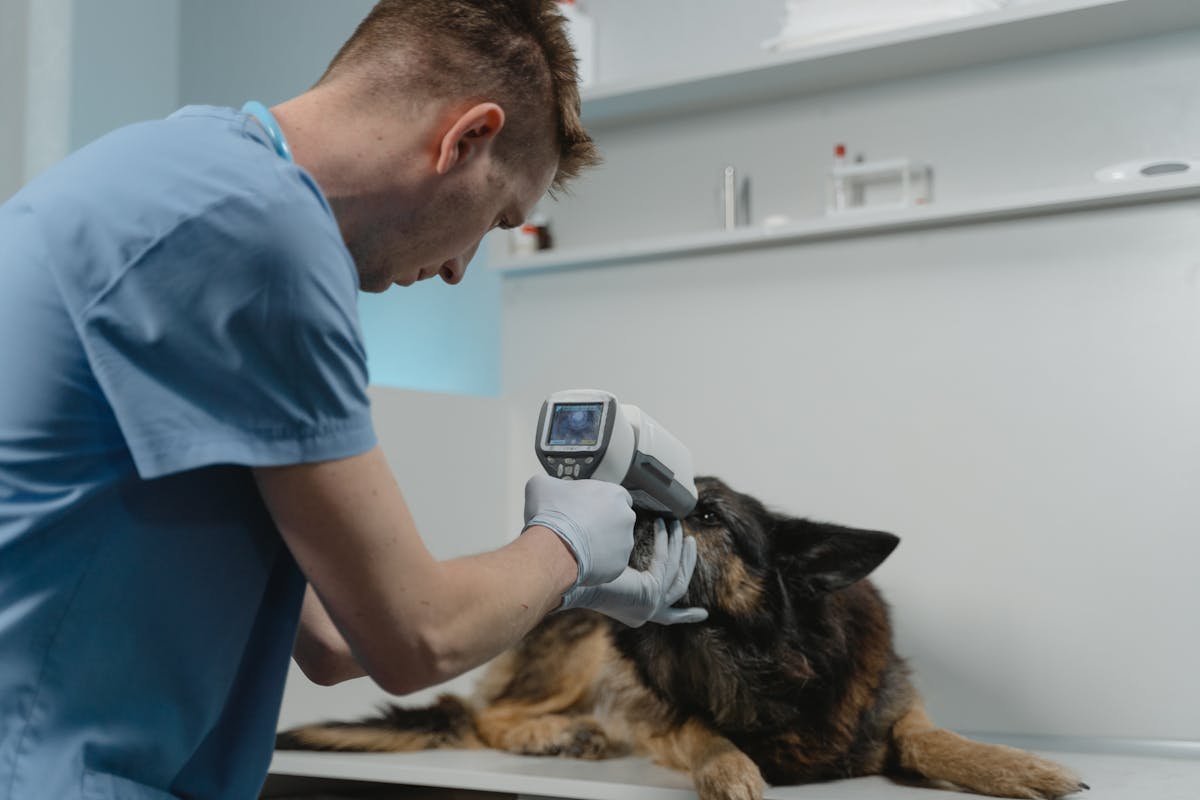
Once your pet is fully sedated and unresponsive — confirmed by the vet checking for reflexes, usually a gentle touch to the eye that produces no blink — the second medication is given, typically through a vein in a leg that may have been shaved slightly beforehand. This drug stops the heart, usually within thirty seconds to two minutes. There is no pain, no awareness, and no struggle, because your pet is already under full anesthesia by this point. The vet will listen with a stethoscope and confirm, quietly, when the heart has stopped.
Some pets take a final deep breath or have a small muscle twitch afterward. This is a normal physiological reflex, not distress, and a compassionate provider will tell you this beforehand so it doesn't frighten you if it happens.
Right After: There's No Rush
Nearly every home euthanasia provider will tell you the same thing in this moment: take whatever time you need. There is no clinical reason to move quickly. Families often stay with their pet for anywhere from a few minutes to half an hour or more. The vet typically steps back or leaves the room, returning only when you're ready, to discuss next steps.
- Deciding on burial, home cremation pickup, or transport arrangements, if not already settled.
- Receiving a paw print or fur clipping, if that service was offered and you'd like one.
- Confirming when and how ashes will be returned, if cremation was chosen.
The team will usually carry your pet out gently, often wrapped in a soft blanket you may be given the choice to keep. This is typically the last physical moment of the visit, and most providers handle it with visible care, not clinical detachment.
What to Expect From Yourself Afterward
The hour after can feel strangely quiet, almost anticlimactic after the buildup of dread. That's normal. Some people feel a wave of relief mixed with grief; others feel numb before the sadness arrives later that night. None of these reactions mean you did something wrong or loved them any less. You walked your pet through the gentlest version of an unbearably hard moment, and that is, itself, an act of love few people talk about enough.
Something that may help
Tool: The Aftercare Planner
Sort out cremation, burial, or memorial choices ahead of time, so the moments right after the visit are about your pet — not logistics you're deciding under pressure.
→ Use the Aftercare PlannerFree to use, no signup required.